ProNet or Garware: Which Fits Your Requirement?
Compare factory-direct flexibility with named-brand procurement based on project priorities.
Read article →
Practical netting guides. Better buying decisions. Clear guidance for dealers, installers, contractors, institutions and project buyers—from choosing mesh and measuring areas to comparing brands and planning commercial orders.
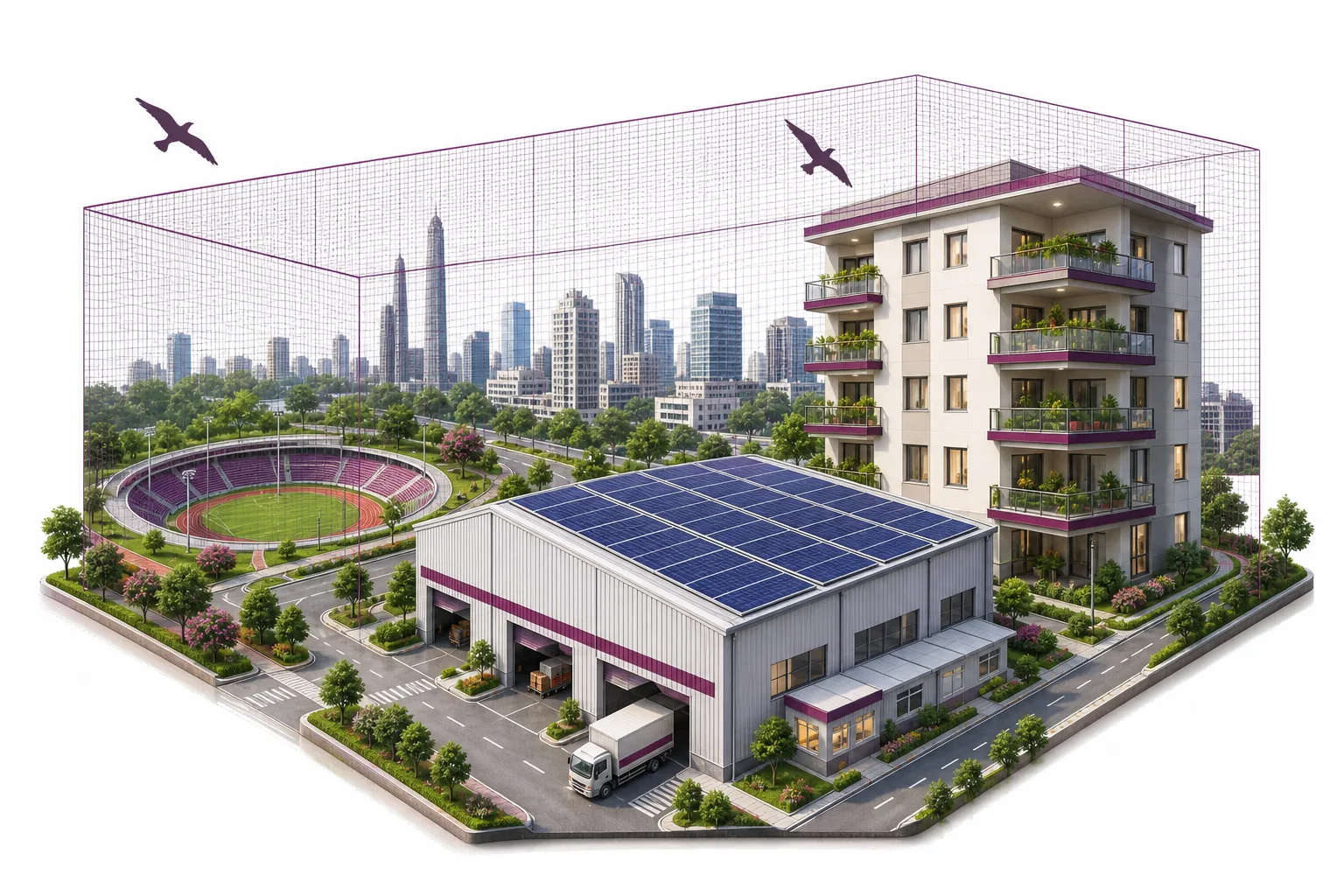 Featured guide
Understand how the application, target bird, opening size, colour and installation environment influence mesh selection.
Read the guide →Search the knowledge library or filter articles by the decision you need to make.
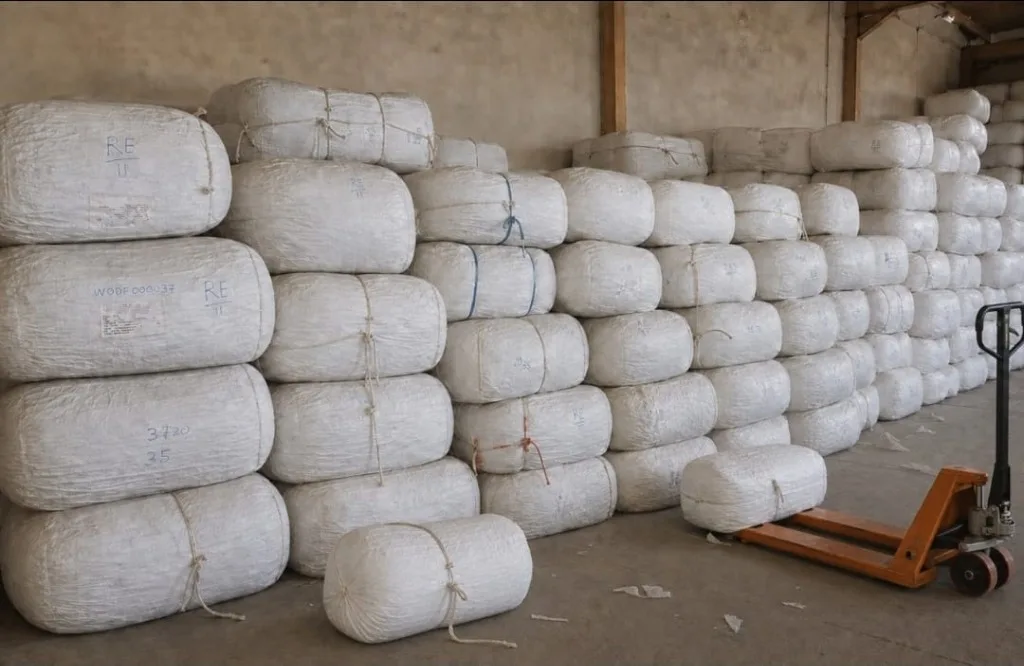 Brand Guidance
Compare factory-direct flexibility with named-brand procurement based on project priorities.
Read article →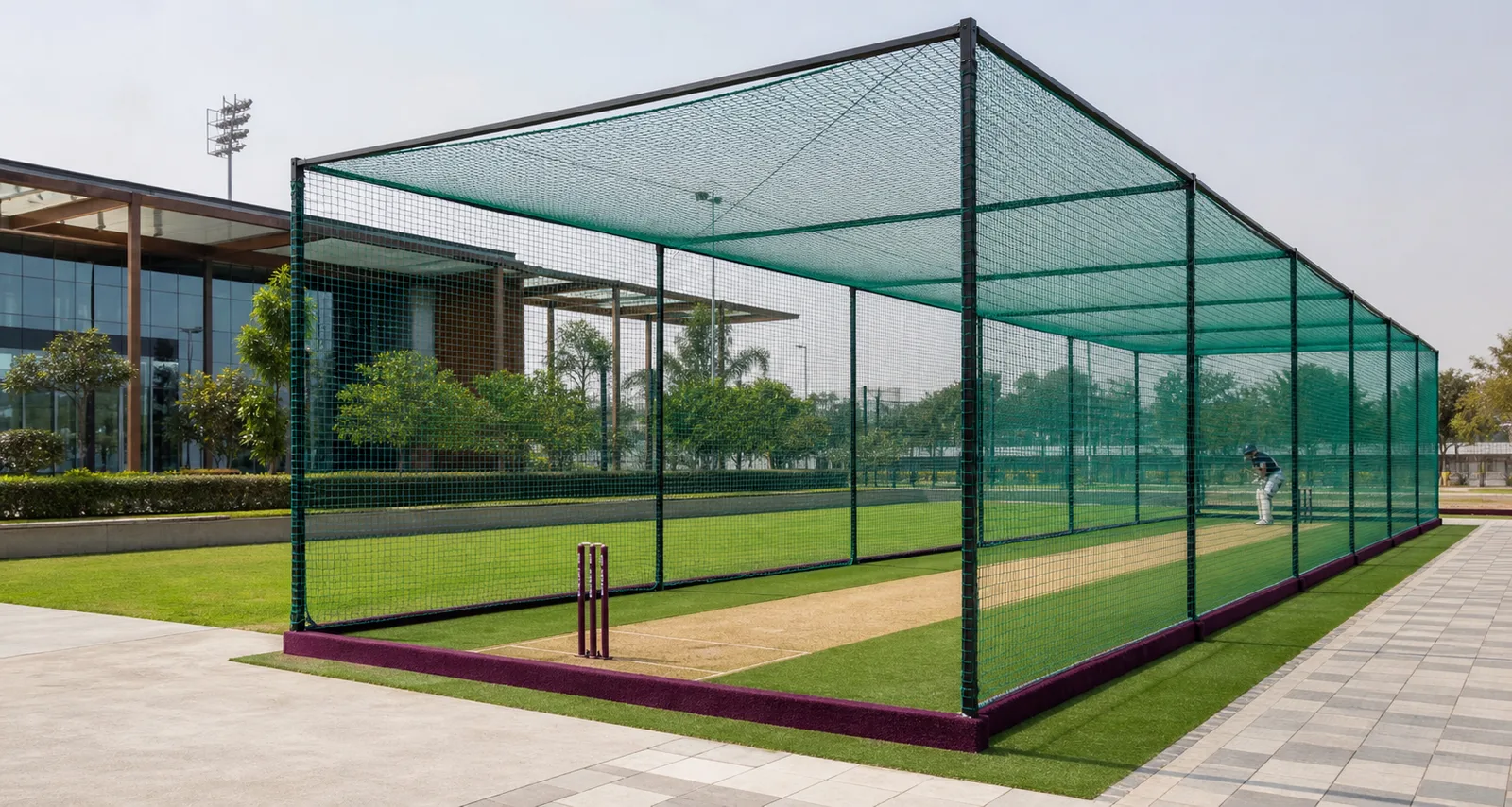 Buying Guide
Plan the application, dimensions, lane configuration and supply format before requesting a quote.
Read article →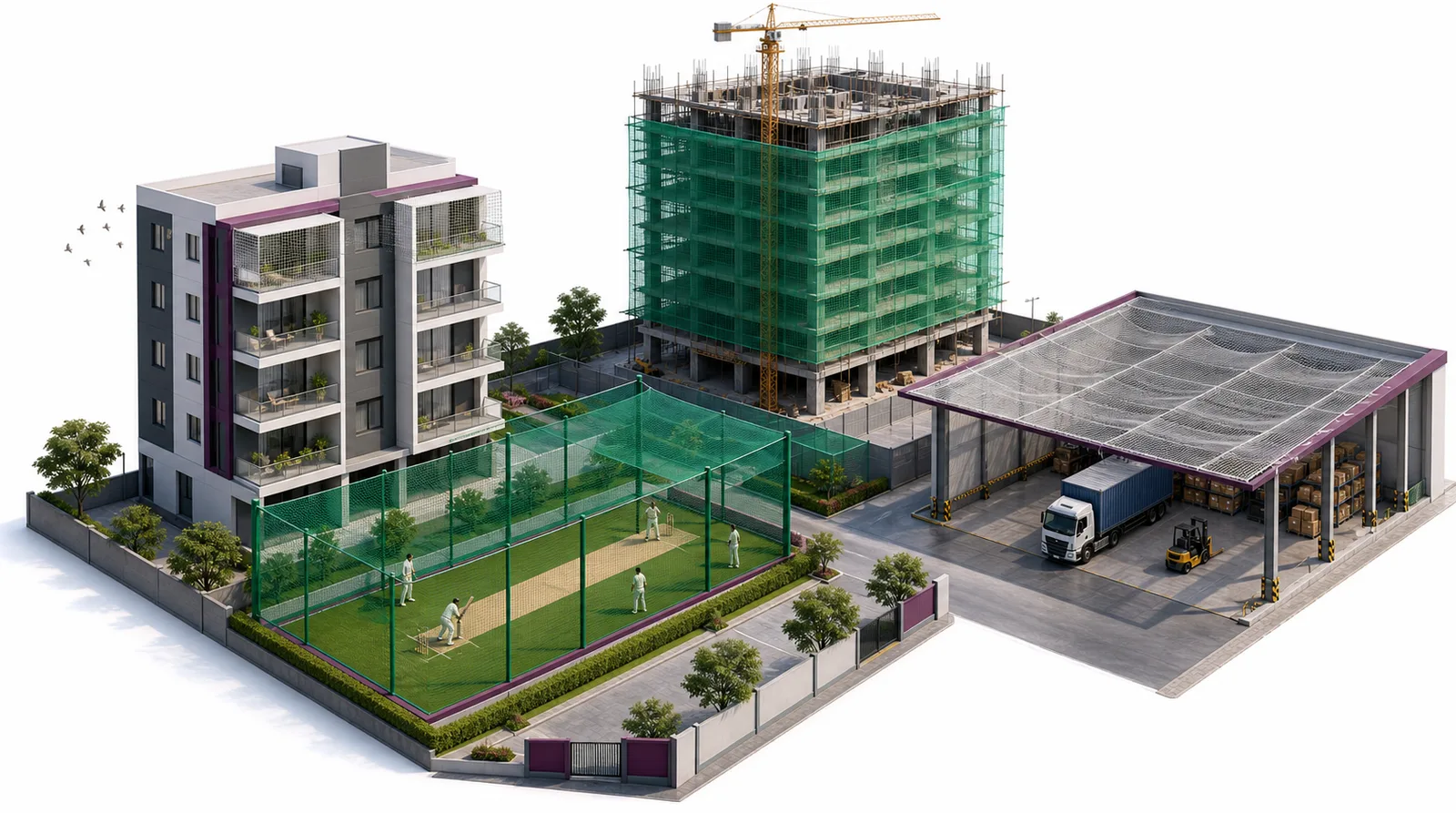 Project Planning
See how area, specification, custom cutting, quantity, packing and freight shape a commercial quote.
Read article →Technical GuideA practical explanation of outdoor exposure, product documentation and questions to ask suppliers.
Read article →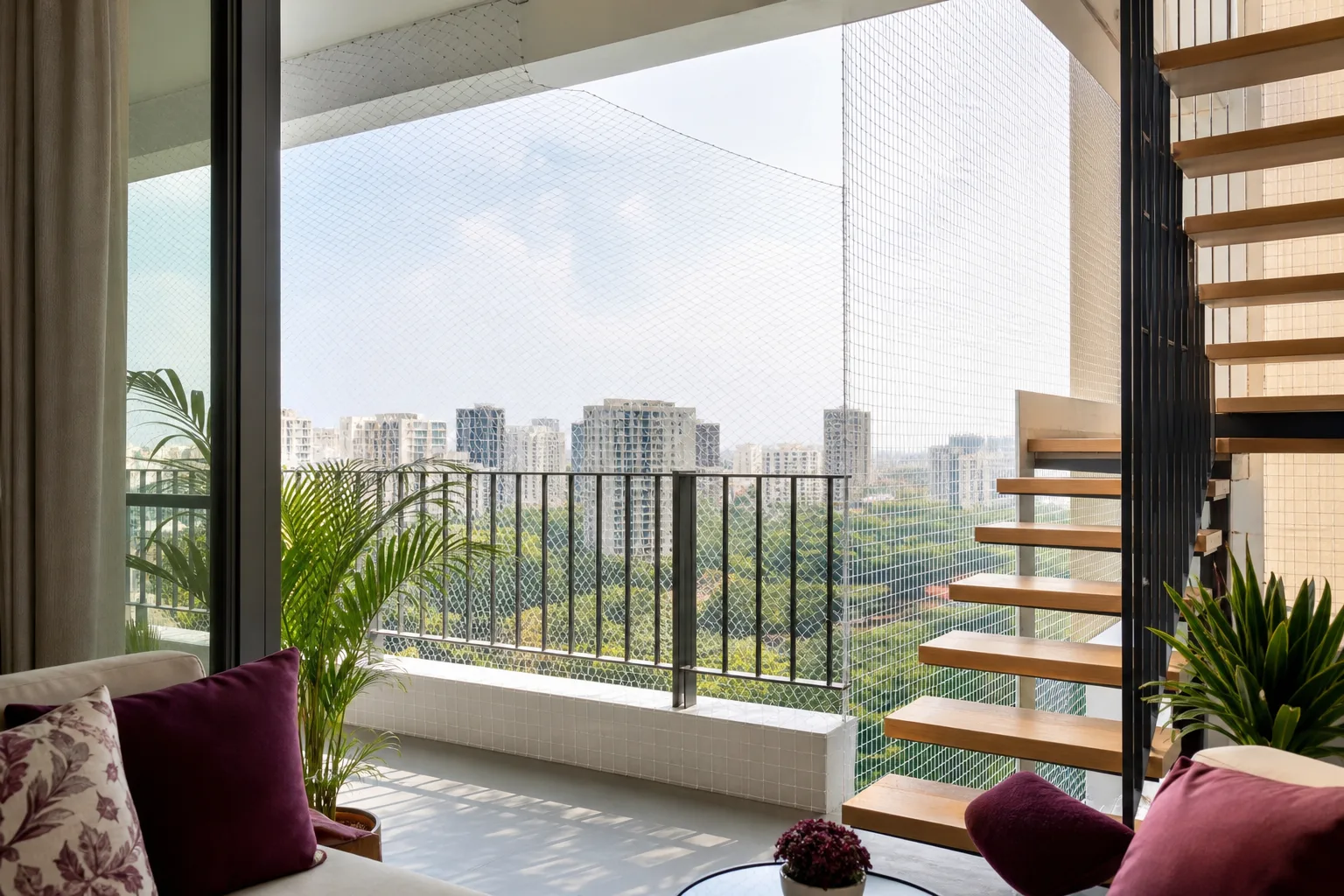 Project Planning
Capture width, length, height, openings, overlaps and quantities before asking for production.
Read article →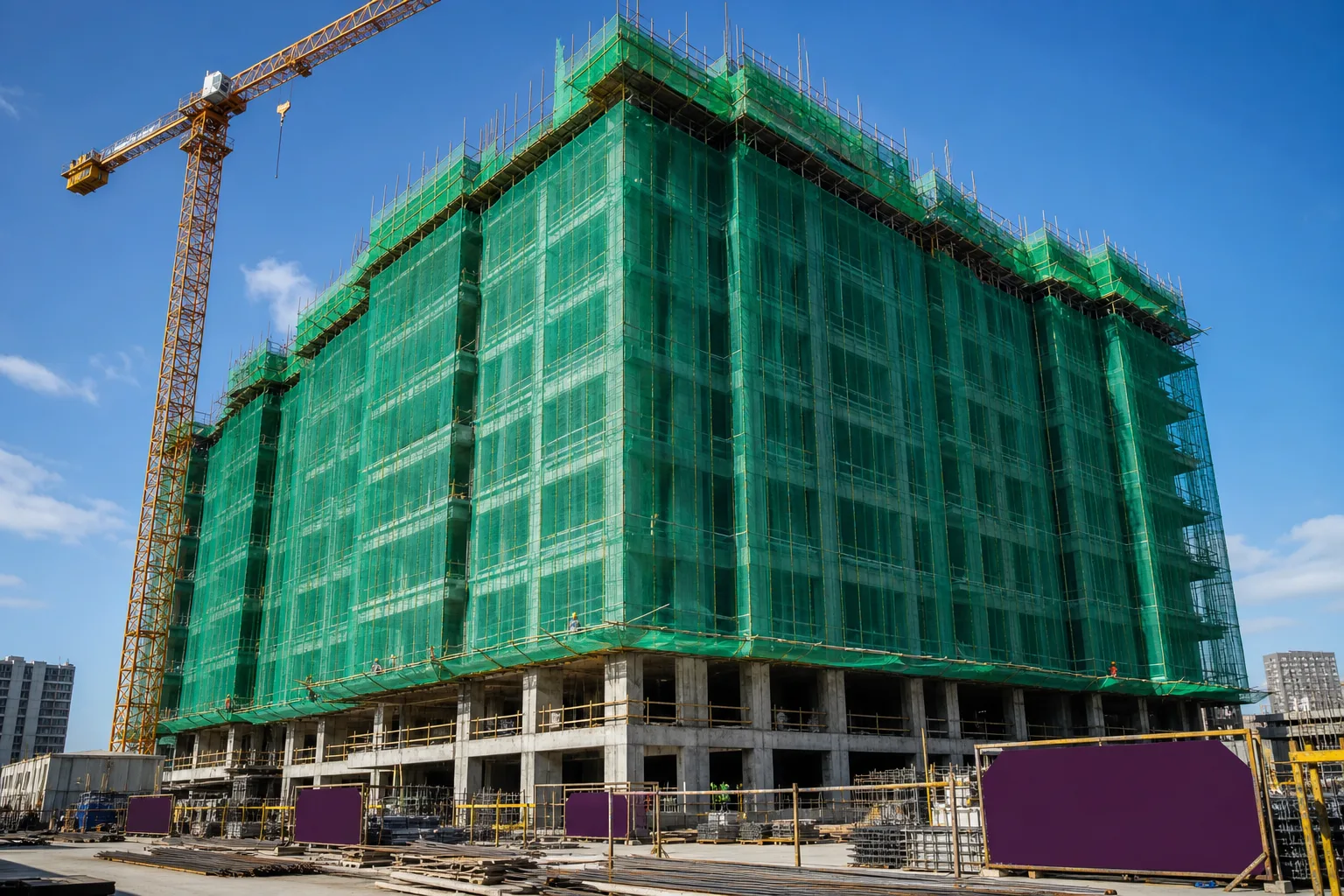 Technical Guide
Understand why façade or debris netting must not be treated as certified fall-protection equipment.
Read article →Buying GuideA repeatable checklist covering product mix, specifications, stock, packing and delivery planning.
Read article →Technical GuideCompare visibility, surroundings, application and availability before choosing a net colour.
Read article →Project PlanningSend the details suppliers need to prepare a faster and more accurate technical-commercial response.
Read article →Mesh size affects exclusion, visibility, airflow, weight and cost. The correct choice starts with the bird, the opening and the installation environment—not a single universal number.
A bird net works only when its openings are small enough to stop the target bird from entering the protected area. At the same time, the net must be practical to install, visually acceptable and suitable for the site. That is why professional buyers should treat mesh size as a project decision rather than choosing only by price.
Smaller birds require smaller openings. Larger openings may be suitable where only larger birds are the concern. If several bird types are present, base the selection on the smallest bird that must be excluded. Ask the installer or site team to observe the area before ordering.
A balcony, warehouse roof, shaft, solar installation and loading bay create different installation conditions. Large spans may require a different support system, tensioning plan and panel layout than compact residential openings. Mesh selection should therefore be reviewed together with the total span and fixing method.
| Decision factor | Question to answer |
|---|---|
| Bird type | What is the smallest bird that must be excluded? |
| Application | Is the net for a balcony, warehouse, shaft, roof or industrial bay? |
| Visibility | Should the installation appear discreet or highly visible? |
| Span | What are the width, length and unsupported distances? |
| Environment | Will the net face sun, wind, dust, heat or frequent maintenance activity? |
Two nets with the same opening can differ in material, twine construction, weight, UV treatment, edge finishing and workmanship. Confirm the complete product specification and the intended use. For large commercial sites, request an approved datasheet before finalizing the order.
Send the site application, dimensions and target bird to the Reach team.
The right route depends on customization, brand specification, commercial priorities and project approval—not on declaring one brand universally better.
Reach Nettings Solutions supports two different buying paths. ProNet is its manufacturing brand, while Garware requirements are supported through an authorized dealer relationship. Both can serve professional buyers, but they solve different procurement situations.
ProNet is a practical starting point when the specification remains open, custom dimensions are important, or the buyer wants a factory-direct commercial discussion. Dealers and installers may also prefer this route when they need a broader repeat-supply conversation.
Garware is the natural route when the brand is written into the BOQ, named by a consultant, requested by the final customer or already approved by the procurement team. Share the exact requested product and specification so availability can be checked.
| Buying situation | Suggested starting point |
|---|---|
| Custom-size requirement | Discuss ProNet first |
| Garware named in BOQ | Request Garware supply |
| Brand not yet decided | Ask Reach to compare both routes |
| Dealer or reseller planning | Start with ProNet; compare if named-brand demand exists |
| Consultant approval required | Submit the required specification for review |
Do not compare only the final amount. Ensure both offers use the same dimensions, mesh, construction, quantity, packing, tax and freight assumptions. A cheaper quotation is not comparable if the technical scope is different.
Share the specification and buying priority for a practical comparison.
A good cricket-net enquiry defines the use, cage dimensions, ball-impact zones, operating environment and support structure before discussing price.
Practice lanes, full cages, boundary nets and residential training areas do not have the same performance or installation requirements. State whether the net will receive direct repeated ball impact or work mainly as a distant boundary barrier.
Record the clear length, width and height of every lane. Confirm whether the roof is netted, how many dividers are required and where entrances or overlapping curtains will be placed. If multiple lanes share dividers, provide a simple top-view sketch.
The posts, cables, foundations and tensioning system are separate engineering decisions. A net cannot compensate for an inadequate support structure. For permanent or high-use facilities, engage a competent installer or engineer to review the full enclosure.
Ask suppliers to quote the same panel dimensions, number of lanes, roof coverage, dividers and accessories. Clarify whether freight, GST, installation and hardware are included. This avoids selecting an apparently cheaper offer with missing scope.
Share the lane dimensions and application for product guidance.
Commercial net pricing depends on specification, total area, supply format, quantity, finishing, packing and freight. A single retail rate rarely describes a project accurately.
Material, mesh opening, twine construction, thickness, colour and treatment influence the base product cost. Always compare quotations using the same specification.
Some requirements are measured by square area, while others are supplied as rolls, panels or pieces. Confirm the units and whether the quoted dimensions refer to finished size or nominal roll size.
Custom panels may require cutting, joining, edging, tagging or special packing. These services can add labour and material beyond the basic net rate.
Bulky rolls and large project quantities can make logistics significant. Delivery city, transport mode, insurance and unloading responsibilities should be visible in the commercial offer.
Check whether GST is included or added separately. Also confirm whether installation, hardware, border rope, cable systems, site measurement or only net material is included.
| Quote item | What to verify |
|---|---|
| Product | Material, mesh, construction, colour and treatment |
| Quantity | Area, roll, panel or piece count |
| Finishing | Cutting, joining, edging and border rope |
| Commercials | Rate, GST, packing, freight and payment terms |
| Timeline | Stock availability, production and dispatch estimate |
Send the complete requirement instead of asking only for a per-unit rate.
UV stabilization is intended to slow material degradation caused by sunlight. It does not make a net permanent, indestructible or suitable for every outdoor condition.
Long-term ultraviolet exposure can weaken polymers, affect flexibility and contribute to brittleness. Stabilizing additives are used to improve resistance, but actual service life still depends on material quality, exposure, colour, tension, temperature, pollution, abrasion and maintenance.
A phrase such as “UV stabilized” is not a complete technical specification. Ask which product variant is being offered and what documentation is available for that specific material. Avoid assuming that one claim applies to every mesh, colour or batch.
Excessive tension, sharp contact points, loose flapping, chemical exposure and repeated abrasion can damage even a suitable outdoor net. Correct fixing, edge support and periodic inspection matter alongside the material selection.
Inspect outdoor netting after severe weather and at planned intervals. Look for broken twine, loosened fixings, sagging, discolouration, abrasion or brittle areas. Replace damaged sections before the protected opening becomes ineffective.
Share the exposure conditions and application with the product team.
Good measurements reduce waste, delays and site improvisation. Capture every opening, fixing boundary and special condition before ordering custom panels.
Record clear width and height at more than one point because walls, beams and frames may not be perfectly square. For long spans, divide the area into logical panels and label them on a sketch.
Note pipes, ducts, columns, corners, doors, equipment and access zones. Mark areas that must open for maintenance. Photographs with visible reference dimensions can help the supplier understand unusual conditions.
The required finishing allowance depends on the product, fixing method and installer’s practice. Share actual opening measurements and ask the responsible installer or supplier to confirm any overlap, edge or tension allowance.
| Panel | Width | Height/length | Notes |
|---|---|---|---|
| A | Site measurement | Site measurement | Opening, obstacles, colour |
| B | Site measurement | Site measurement | Door or access requirement |
| C | Site measurement | Site measurement | Corner or joining condition |
Add the total number of identical panels, required mesh or product, colour, delivery city and expected installation date. Keep units consistent throughout the document.
Send the measurement schedule, photos and application details.
Façade or debris netting and personnel fall-arrest systems perform different jobs. They must never be treated as interchangeable without certified engineering and documented approval.
Construction mesh or façade netting is commonly used to help contain lightweight debris, dust or loose material around scaffolding and building exteriors. Its suitability depends on the product, fixing system, wind loading, overlap and site design.
A system intended to arrest a person’s fall is life-safety equipment. It requires an appropriate certified product, engineered anchorage, correct clearance, competent installation, inspection and compliance with applicable site rules and standards.
The principal contractor, safety officer and competent engineer should approve the system before installation. Product supply alone does not establish that an entire site-safety system is adequate.
Share the intended use and project specification for a supply review.
A structured purchase plan protects cash flow, reduces dead stock and helps dealers maintain reliable product availability.
Separate recurring products from occasional project requirements. Record which mesh, colour, roll size or category moves regularly and which items should be purchased only against confirmed orders.
Use a consistent SKU or description containing brand, material, mesh, construction, colour and dimensions. This prevents sales staff from quoting one product while the purchase team orders another.
Assign a clean, dry storage area and keep rolls protected from sharp edges, heat sources, chemicals and uncontrolled site exposure. Check quantities and visible condition when the shipment arrives.
Share the required product mix, quantity and delivery location.
Colour affects visual integration and buyer preference, but it should be selected together with mesh, material, treatment and availability.
White can blend with light-coloured walls, ceilings and residential surfaces. Dust, staining or environmental dirt may be more noticeable, depending on the site.
Black often appears less prominent when viewed against shadowed openings or from a distance. On light backgrounds it can create a stronger visible grid, so evaluate the actual viewing angle.
Green is commonly considered for gardens, sports areas, industrial sites and surroundings where it visually complements vegetation or existing green structures.
Do not assume that colour alone proves UV performance, strength or service life. Confirm the offered product’s material, mesh, construction, treatment and documentation. Availability can also vary by mesh, size and quantity.
| Site condition | Selection approach |
|---|---|
| Light residential surface | Review white netting against the actual background |
| Shadowed opening | Compare black from the normal viewing distance |
| Garden or sports setting | Consider green with the surrounding environment |
| Brand or consultant requirement | Follow the approved specification |
Share the application, background and required quantity.
A complete enquiry helps suppliers respond faster, recommend the right product and prepare a quotation that can be compared accurately.
State where and how the net will be used: balcony bird control, warehouse exclusion, cricket practice, construction containment or another purpose. Mention whether the site is indoor, outdoor, temporary or permanent.
Send width × length, height, total area, roll quantity or panel count. Attach a sketch for cages, multi-panel areas or irregular openings. Use one unit consistently.
Include brand preference, material, mesh, construction, thickness, colour, UV requirement, border rope or other details already approved by the customer or consultant. If the specification is open, say that you need a recommendation.
Relevant site photographs, BOQ extracts, drawings and previous product labels can clarify the request. Remove confidential information that the supplier does not need.
Send the details to the Reach Nettings Solutions sales team.
Useful starting points for first-time and repeat professional B2B buyers to select, measure, compare, and quote netting projects accurately.
Match net opening size with target bird species, installation height, airflow & safety needs.
Record clear dimensions, obstacles, fixings & panel schedules before custom supply.
Compare factory-direct flexibility with named-brand procurement for BOQ specs.
Prepare exact product specs, quantities, city & delivery timelines to get fast wholesale quotes.
Share the product category, application, approximate quantity and delivery city with the Reach Netting Solutions team.